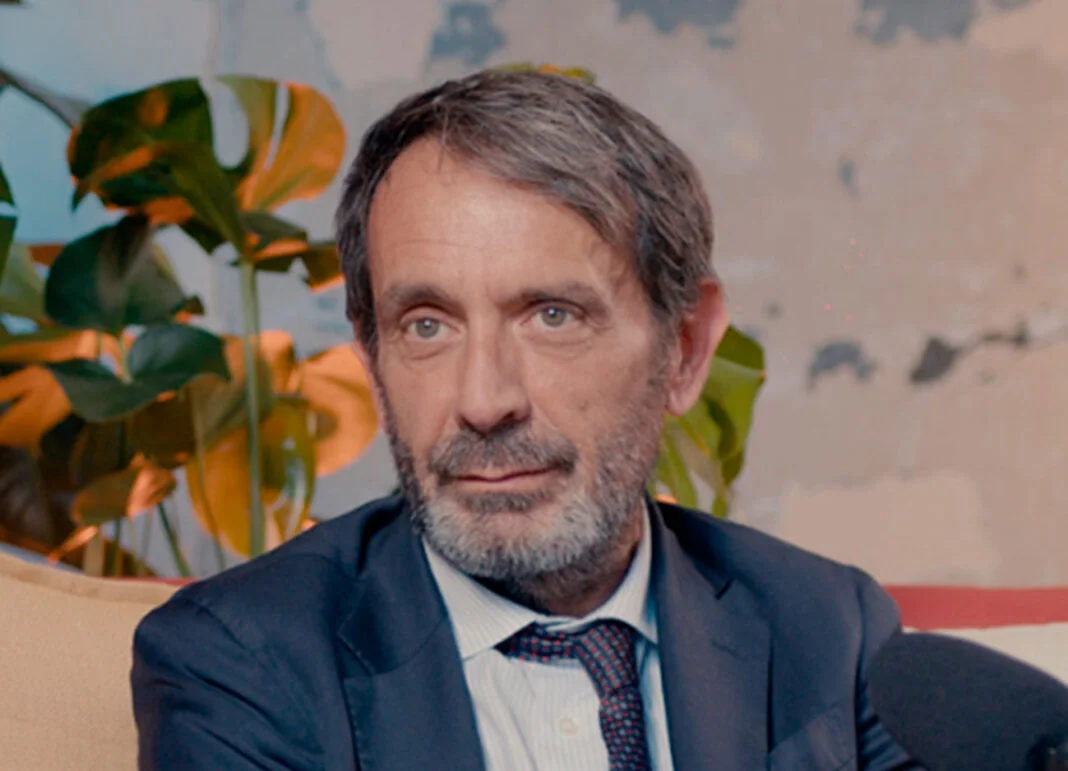

Giorgio Arienti, you are the General Manager of Erion WEEE, Italy’s largest producer responsibility system for electrical and electronic equipment waste. Could you explain where the main value losses occur today in WEEE flows?
According to the results of the FutuRaM project, Europe generates over 12 million tonnes of WEEE each year, but only a portion is treated in a way that allows the recovery of critical and precious metals: only half of the WEEE generated undergoes adequate treatment, enabling the recovery of about 0.4 Mt of critical raw materials (2022 data).
The main value losses occur particularly in unsegregated or contaminated streams, where critical materials (for example, those in batteries, printed circuit boards, and advanced electronic components) end up diluted within general metal fractions. In concrete terms, up to 70% of the potential recovery of precious and critical metals can be lost if proper technologies and processes are not applied.
Furthermore, the lack of detailed data and standardized methodologies makes it difficult to identify where to act. A solution like the Urban Mine Platform developed by the FutuRaM project, however, allows the identification of so-called “material hotspots” — waste streams with high concentrations of critical materials that, if properly managed, can generate significant economic and industrial value.
Read also the Special report FutuRaM
Which counts more: collecting more WEEE or collecting it better, and what priority initiatives should be implemented on both fronts?
FutuRaM clearly shows that collecting more is not enough, because quantity without quality does not lead to efficient recovery of critical materials. Collecting more is certainly important, and for this it is necessary both to educate citizens about what WEEE are and why proper separate collection is essential, and to bring WEEE collection to high-traffic and frequently visited locations, such as offices, schools, and local supermarkets. Limiting WEEE collection to municipal recycling centers and EEE (Electrical and Electronic Equipment) stores does not significantly increase the amounts sent for proper treatment.
At the same time, it is crucial to collect better: selecting streams, separating materials, and reducing contamination. In practice, batteries, printed circuit boards, and electronic boards must be treated separately to maximize recoverable value.
Priority initiatives should focus on developing and implementing advanced separation technologies that allow critical metals to be extracted with maximum efficiency, alongside standardized processes for WEEE classification and tracking, which are essential for obtaining reliable data to support strategic decisions. Optimizing logistics is equally important, minimizing waste and losses throughout the entire value chain.
Only by effectively combining quantity and quality in collection and treatment can we significantly increase the value recovered from WEEE and contribute concretely to the supply security of strategic raw materials in Europe.
Which product categories or components deserve the most attention today if the goal is to recover critical raw materials?
The FutuRaM project has shown that the waste streams richest in critical materials are WEEE containing lithium and NiMH batteries, printed circuit boards, and electronic boards (from which rare earths, copper, cobalt, nickel, and other precious metals can be recovered), LEDs and fluorescent lamps, and advanced components of household appliances such as electric motors, sensors, and microchips.
The data collected by the project through sampling of WEEE in different Member States indicate that approximately 10–15% of the weight of household and professional WEEE consists of critical or precious metals, mainly concentrated in copper in cables, aluminum in casings, rare earths in magnets and fluorescent powders, and platinum-group metals in electronic boards and displays.
In LED and fluorescent lamp streams, rare earths can represent up to 5% of the total content, a significant value considering the growing prevalence of these products. Meanwhile, electric motors and sensors in complex household appliances contain small but concentrated amounts of copper, nickel, and rare earths.
Properly treating WEEE and recovering the critical raw materials present allows these products to be valorized, reduces dependence on external imports, and strengthens Europe’s material sovereignty. In this way, WEEE can be transformed from waste into strategic industrial resources, contributing significantly to a more circular and sustainable economy.
What is still missing in Italy to retain more industrial value from WEEE? And what is needed at the European level to be ready for the challenge of “material sovereignty”?
In Italy, there is still a lack of complete and standardized data, advanced recycling infrastructure, and integrated industrial processes, which means that a large portion of the critical materials present in WEEE is either exported or lost, resulting in economic and technological losses.
At the European level, the FutuRaM project highlights the importance of adopting common methodologies and standardized guidelines for WEEE classification and recovery, developing forecast scenarios up to 2050 to ensure the availability of critical and strategic raw materials, and strengthening coordination among Member States to optimize the collection, treatment, and recycling of waste streams with high concentrations of valuable materials.
Only with these integrated measures will it be possible to successfully address the challenge of material sovereignty, retain industrial value, and ensure Europe’s strategic autonomy and economic sustainability.
© Riproduzione riservata
Download the full FutuRaM Special as a PDF